- Success Stories
- LearnThe Resource Library: guides, articles, stories


Looking for help with
Most searched
Also common
Everything else
Joints & mobility
Immune & breathing
Injury & recovery
Legs, hooves & joints
Gut & breathing
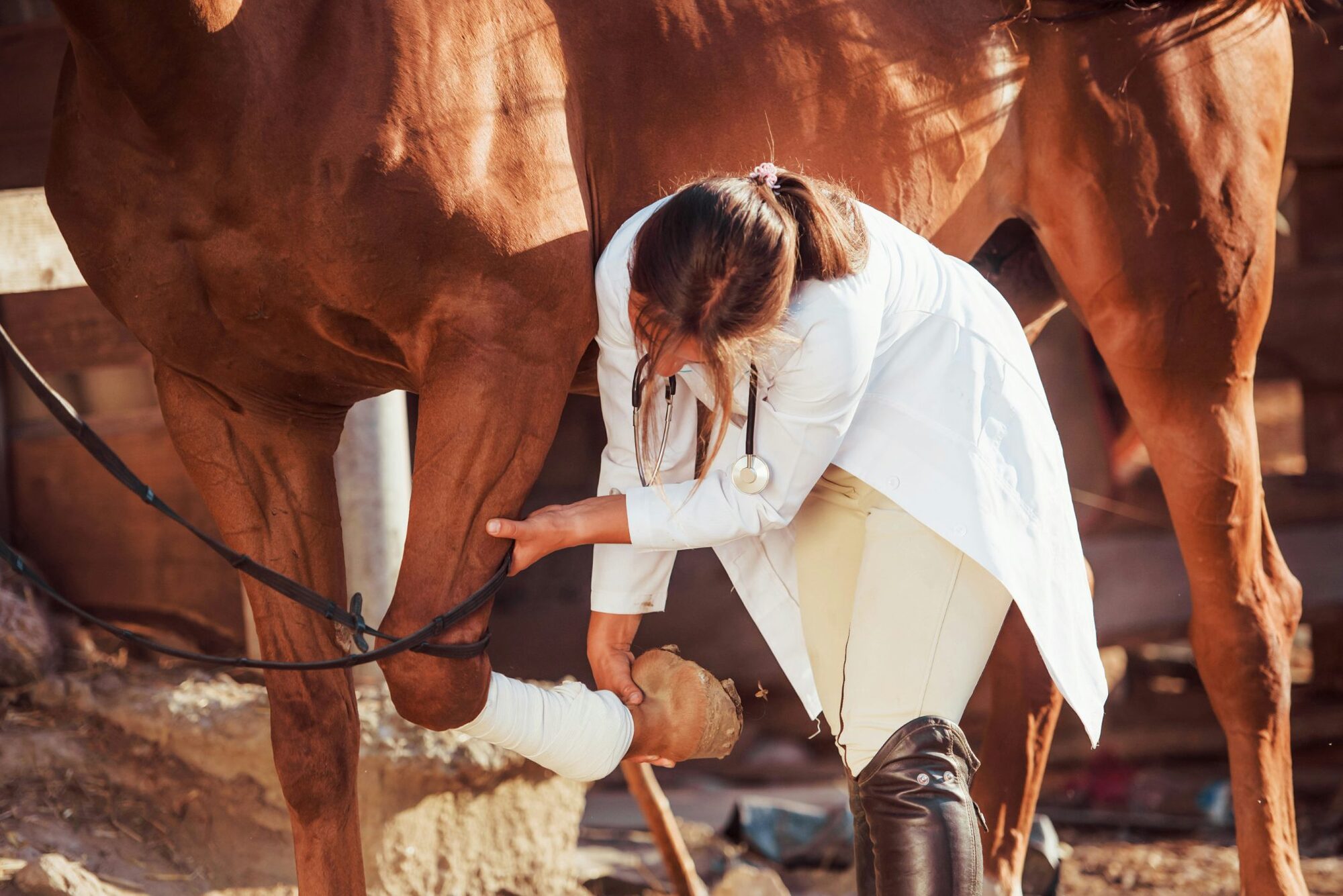
A hole in the pasture, a bad landing, one twist too many. Now he's off in his gaits and you're trying to work out how bad it is. Here's how to read it, and what helps.
With horses, the difference is simple to say and hard to see from the outside: a sprain is an injury to the ligaments in a joint, and a strain is an injury to a muscle or to the tendon of the muscle around the joint. Both are painful, and either can leave a horse off in his gaits or visibly lame.
The common causes are the ones every horse owner knows: stepping in an unseen hole, falling, twisting, repetitive strenuous work, or trauma to the joint. Any of these can push the leg joint out of its normal range, tearing or stretching the ligaments, muscles, and tendons as it goes.
You will know a lot just by looking at your horse. Some cases need the vet; others are minor and settle with home care. Use your best judgment: a vet can confirm whether it's a sprain, a strain, or lameness from something different, like a hoof abscess. The sooner you start dealing with the pain and swelling, the sooner your horse is on the mend.
Run water from a garden hose over the injury for 20 minutes, twice a day, until the swelling subsides. If he's uneasy about it, start low on the leg and work your way up. Below freezing? A 20-minute ice pack does the same job.
Several days to a week in, warm moist heat for 20 minutes once or twice a day relieves pain and brings blood flow to the injury. Light hand pressure in long strokes down the full leg helps circulation and can reduce scar tissue. The goal with any injury is to bring back the full range of motion, so massage, along with light exercise, helps the mending along.
Your farrier can recommend a removable set, or apply them semi-permanently. Not suited to every sprain or strain, but they can absorb ground impact while the leg mends.
Give him real time off. Getting back into work too quickly is how a mending leg gets re-injured, and the second rehab is always harder than the first.
We've promoted a holistic nutritional approach to horse health for over 25 years, and it's a view more and more nutrition-conscious veterinarians, breeders, trainers, and owners share: given the proper nutritional resources, a horse's body has amazing restorative powers. It can repair faster, fight infection more readily, and keep its natural defenses strong.

All-natural live superfood and an excellent protein source for a body with repair work to do. Double the daily amount for the first 2 weeks after an injury; some injuries take longer and may need continued support, but two weeks is a good judgment period.
| 600 to 750 lbs | 3 level tsp |
| 750 to 1,000 lbs | 4 level tsp |
| 1,001 to 1,250 lbs | 5 level tsp |
| 1,251 to 1,500 lbs | 6 level tsp |
Every order is covered by the 120-Day Worry-Free Guarantee: up to four months to see the difference in your own horse.
The hose, the heat, and the rest do their part.
The feed bucket does the rebuilding.
A sprain is an injury to the ligaments in a joint. A strain is an injury to a muscle, or to the tendon of the muscle around the joint. Both are painful, and either can leave a horse off in his gaits or visibly lame.
Some cases need the vet; others are minor and settle with home care. Use your best judgment. A vet can confirm whether it's a sprain, a strain, or lameness from something different, like a hoof abscess.
Run water from a garden hose over the injured area for 20 minutes, twice a day, until the swelling subsides. If your horse is uneasy, start low on the leg and work your way up. In freezing weather, a 20-minute ice pack does the same job.
Not right away. Wait until the swelling is fully worked out and the horse is several days to a week into mending. Then warm, moist heat for 20 minutes, once or twice a day, helps relieve pain and increase blood flow as rehab begins.
Doubling the daily amount for the first 2 weeks front-loads nutritional support while the body has its biggest repair job to do. Some injuries take longer and may need continued support; two weeks is a good judgment period.
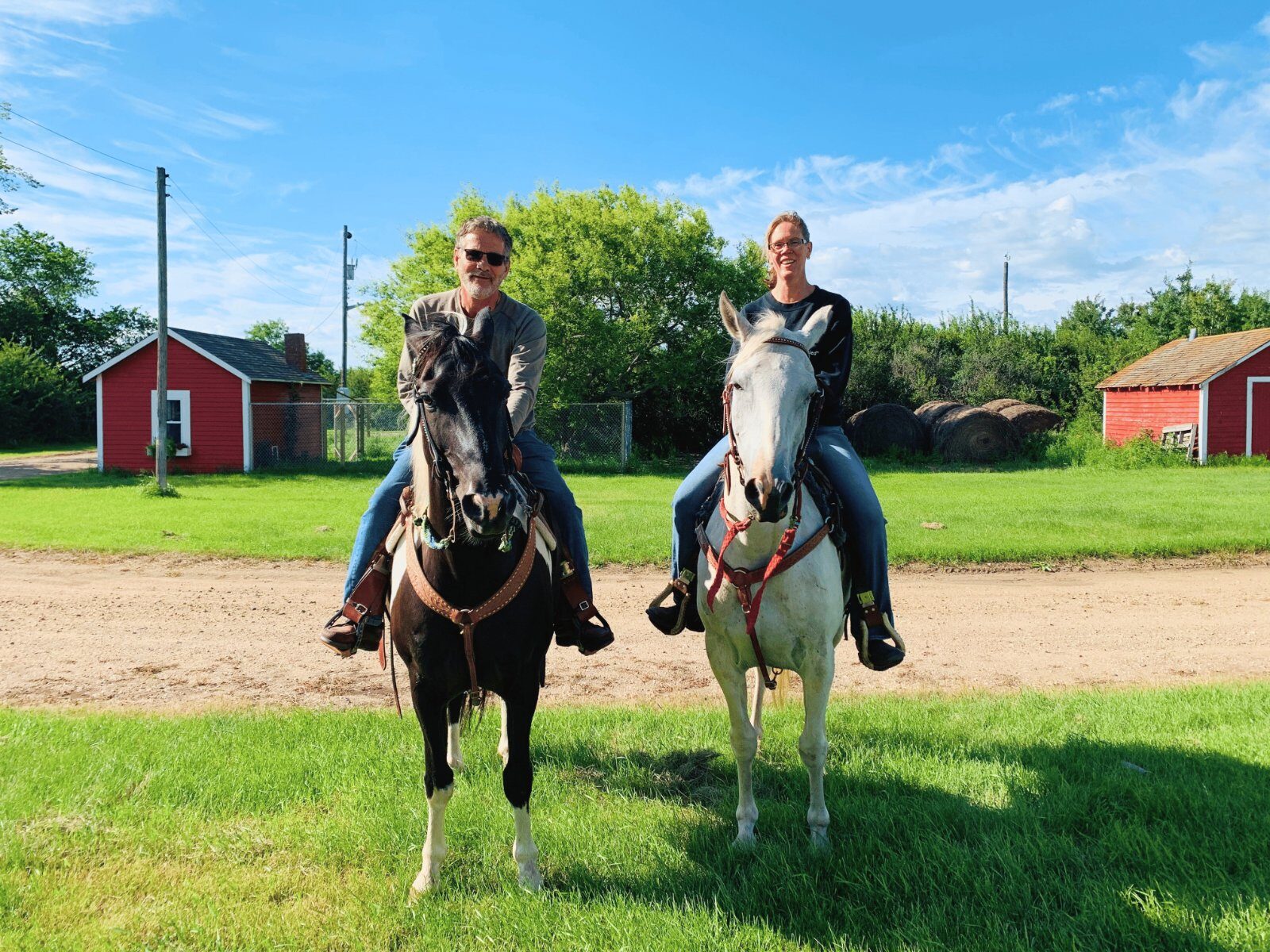
Kara is the equine specialist on our customer care team, and she keeps her own herd on a farm in Saskatchewan. Tell her what happened, what you're seeing, and what you've tried, and she'll tell you honestly where to start. Read Kara's story →
The consultation is free, and it always will be.
1-877-816-6500 · Orders & quick questions