

Bloat & Torsion in Dogs: Facts You Must Know
![]() Facts on Twisted Stomach / GDV in Dogs
Facts on Twisted Stomach / GDV in Dogs
 Bloat sounds funny, but there is nothing funny about bloat and torsion in dogs. The issue of dog bloat is downright scary and must be addressed immediately and adequately. If your dog is showing signs the following conditions, immediately take your dog to the vet or an emergency animal clinic. These three terms dog bloat, Twisted stomach, and stomach torsion all refer to the medical term: Gastric dilatation-volvulus abbreviated as GDV.
causes the stomach to twist (volvulus), cutting off the blood supply to the abdominal organs and ultimately causing death if untreated. Because of the urgency of this condition, it is crucial to identify the symptoms of GDV.
Gastric Dilatation-Volvulus: GDV
 GDV is a life-threatening condition where a dog’s belly fills with gas (gastric dilatation) and causes the stomach to twist (volvulus), cutting off the blood supply to the abdominal organs and ultimately causing death if untreated.
Symptoms of Bloat and Torsion in Dogs
- Bloating in the stomach. It is not subtle swelling, and it will be evident that the dog’s belly is distended with air and gas.
- Trying to vomit or belch. The dog will try to release the buildup and pressure of air inside. With GDV, the entrance and exit to the abdominal cavity have been pinched off by the stomach’s twisting, and the effort to belch or vomit will be futile.
-
Shallow panting. These short rapid breaths are a sign that the dog is in distress.
Restlessness or immobility. These opposites are both signs that the dog is uncomfortable and indeed in pain. - Pale gums and tongue. Pale gums are a clear indication that blood flow has been disrupted.
Even if you only see some of these symptoms, it’s best to head to the vet’s office and ask your questions later. A dog can develop bloat without escalating to a twisted stomach, but only an x-ray can determine that. Once GDV occurs, the clock is ticking, so we cannot emphasize enough the importance of seeking immediate treatment. Do not approach this condition with a “wait and see” mentality.
Bloat and Torsion Risk Factors and Prevention
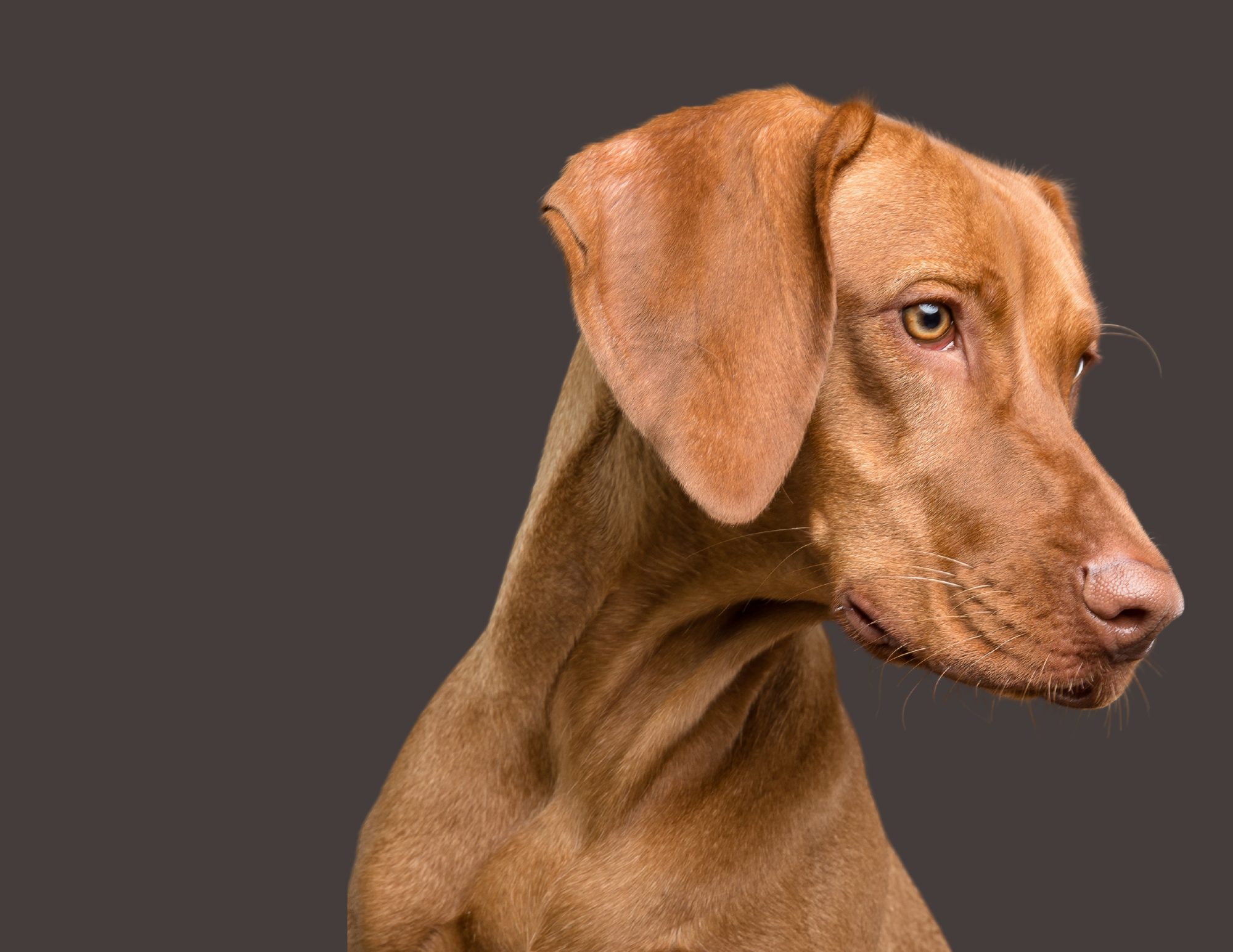
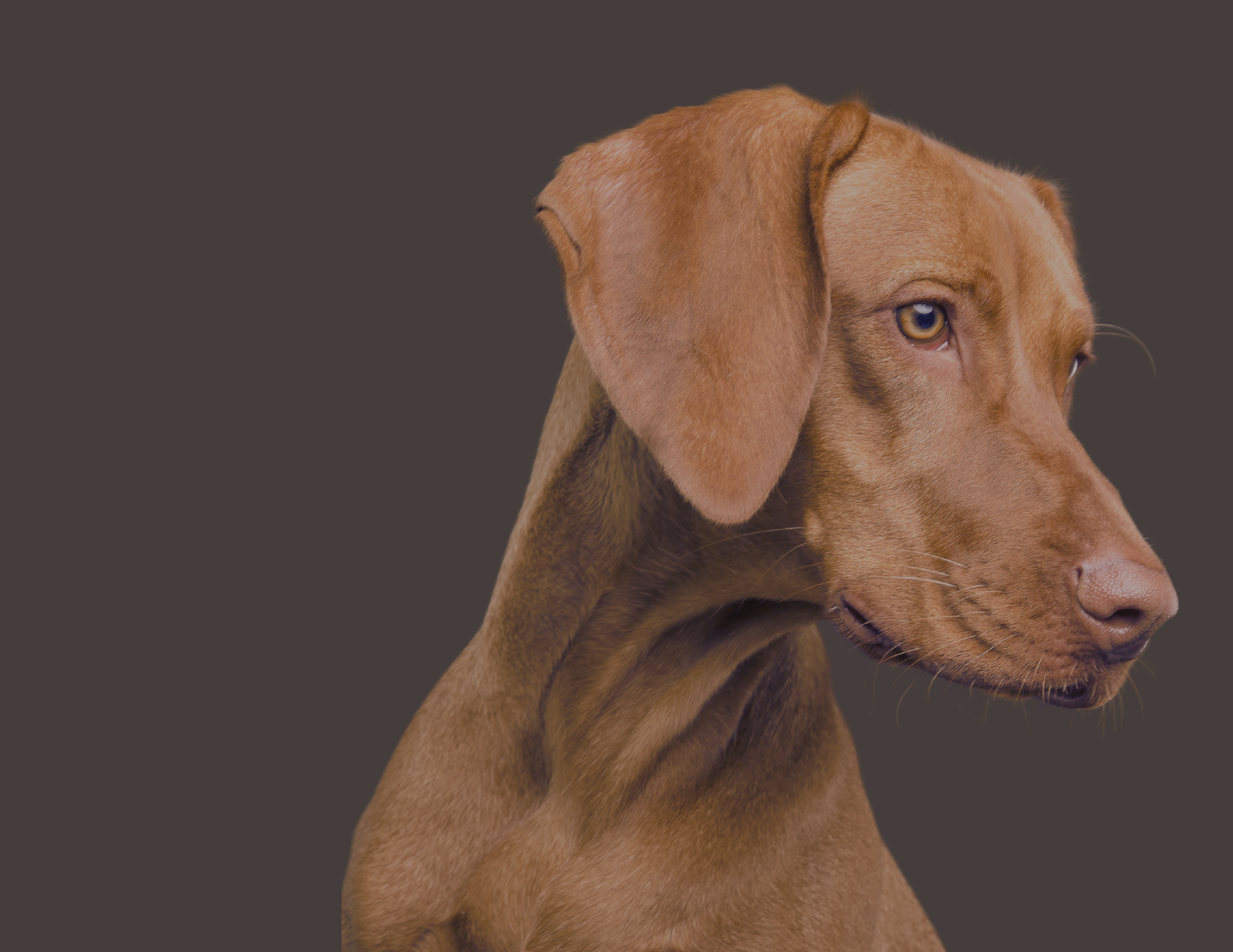
Large and giant breed dogs with deep, narrow chests are more prone to developing GDV. These include Great Danes, Doberman Pinschers, some Setter breeds like Weimaraners
The cause of this condition is unknown. There has been extensive research and debate
about crucial contributing factors. They have studied everything from the elevation of the dog’s food bowl to psychological stressors. Large and giant breed dogs with deep, narrow chests are more prone to developing GDV. These include Great Danes, Doberman Pinschers, some Setter breeds like Weimaraners and Saint Bernards.
This condition begins in the stomach. We should start by looking at what is being put in the stomach in the first place. Most commercial dog foods contain high fermentable carbohydrates like corn, rice, and wheat (sugar). Not only do dogs not require these kinds of carbohydrates in their diet, but this fermentation also produces extra gas during digestion which is not suitable for any dog, especially one predisposed to GDV. Seek a low- carb food that will naturally help cut out the excess gas and Saint Bernards.
The Role of Nutrition in Dog Bloat
Also, consider the role nutrition plays in building a solid body and digestive system in general. The additives and preservatives in many store-bought kibble foods can deprive the body of absorbing whatever natural nutrition the kibble may contain. It’s essential to find quality food that fills a dog’s belly and truly nourishes its whole body. An ounce of prevention could be worth a pound of cure regarding GDV.
Natural supplements can also help keep the digestive system balanced and healthy. The fact is, even if every good idea is implemented, there is a possibility that this condition can still occur. Does this mean we should throw up our hands and wait for the inevitable? No, but be educated and proactive about bloat and GDV to begin with, especially if you own a bloat-prone breed. The more you know, the better the chance your dog will survive or even avoid this awful experience.
Renowned canine nutritionist, Linda Arndt, affectionately known as the Great Dane Lady, studied and advised on this condition extensively. She promoted a supplemental regimen for large breeds who are more prone to dog bloat. She called it the “Core 4” support philosophy. As a part of all diets for this large breed, she recommended the following 4 Parts.
- Low Carbohydrate Diet (See our Recommended Food List)
- Live Dietary Enzymes (Nzymes Superfood Granules).
- Probiotics & Digestive Enzymes (Nzymes Bac-Pak Plus).
- pH enhancement (Nzymes Ox-E-Drops).
We worked with Linda for years and have taken her recommendations and created a series of nutrition kits specifically to support Bloat and Torsion in dogs based on pet size and weight (seen below).
Better Nutrition Means Better Health
Antioxidant Support – The Live Superfood Protein nutrition found in the Nzymes® Granules enhance the body’s ability to produce Antioxidant Enzymes in greater abundance. These enzymes, like Superoxide Dismutase, Catalase, and Glutathione Peroxidase are at the forefront of cellular health. When the cells are better able to perform their functions, better health is the result. These granules support healthier bones, muscles, tissues, skin, and coats, plus cardio and neurological functions.
Microbial Support – Creating an environment that is less hospitable to microbial invaders is a key role played by Ox-E-Drops. The Drops are highly alkaline, with a pH of 13, and have the effect of elevating alkalinity via the pH in the body. This is ideal for optimal health as nearly all diseases will flourish in an acidic environment.
Digestive Support – Bac-Pak Plus bolsters digestion in two ways; First, it delivers digestive enzymes to help break down food components to increase the absorption of nutrients from the food. Secondly, it has powerful probiotics (Direct-fed Microbials) to help maintain good populations of friendly, bacterial flora. The GI tract is the centerpiece of your pet’s good health. Keeping it going strong is the goal.